Chapter 2:
Collaborate & share
Collaborate & share in numbers
as of October 2025

+2,000
professionals from 18 signatory companies have completed tailored training programs with expert consultants – a tenfold increase in employees trained and a 150% expansion in signatories trained compared to 2024 baseline.

3
signatories supported with methane emissions monitoring through the OGCI Satellite Monitoring program (see more on the OGCI collaboration, page 30).

17
webinars, representing a 150% increase from 2024 baseline, were attended at least once by 960 signatory staff from 50 companies.

10
mentorships and peer-to-peer programs.

5,000+
interactions within the Signatories’ Hub, an online repository of resources, across 44 registered signatories.

2
Memoranda of understanding (MoUs) between OGDC and international organizations focused on climate and the energy transition.
Against a complex macroeconomic and geopolitical backdrop, signatories of the OGDC leverage networks of support to accelerate decarbonization and achieve new levels of transparency and reporting. By bringing together industry experts, external partners and a broader network of energy stakeholders, OGDC’s Collaborate & Share program is designed to support signatories as they work toward fulfilling the goals of the Charter, independent of their individual starting points. The OGDC’s strength in bridging emerging- and mature-market operators reinforces the role of multilateralism in spurring industry transformation.
In 2025, the Collaborate & Share program accelerated significantly. Building on lessons from the previous year, the program has expanded and become more tailored, reflecting the diversity of signatories’ skills, contexts and needs. Working with consultants, key partners and industry associations, the program leverages the rich knowledge base of OGDC signatories and empowers them to share their collective expertise.9
9 All programs within Collaborate & Share are conducted with strict guardrails to stay within applicable competition laws.
Figure 8: Components of the Collaborate & Share program available to signatories
◼new offerings
(compared to 2024)
The Signatories’ Hub is the OGDC’s private online resource, which provides companies access to the latest OGDC news and relevant decarbonization tools and training.
This includes webinars, information on 1:1 training, a Directory of Technical Support, case studies and a Signatories’ Directory. Currently all of these support options are offered free of charge.
The Collaborate & Share Program is foundational to driving progress against the Charter’s aims. It provides signatories with a curated selection of solutions and tools to support their decarbonization journey.

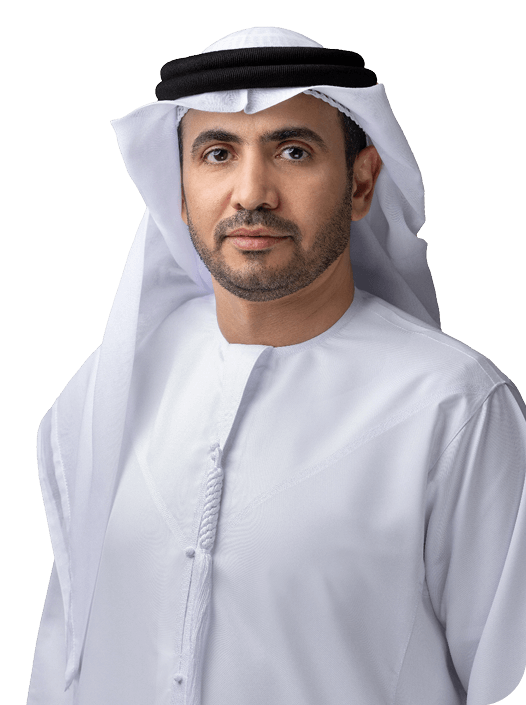
Dolphin Energy is fully committed to the goals and ambitions of the Charter. The partnership between our company and OGDC has provided valuable insights to our ongoing decarbonization journey – particularly in shaping short-term ambitions to support our progress on Scope 1 and 2 emissions by 2030, in alignment with evolving strategic priorities and stakeholder expectations.”
Obaid Abdulla Al Dhaheri
CEO, Dolphin Energy Ltd.
Peer-to-Peer Engagement
Bringing the Charter to Life
OGDC facilitates connections between signatories seeking guidance with those willing to share expertise. Collaboration ranges from basic best-practice sharing through virtual meetings to formal agreements involving technology transfers and on-site visits. This flexible approach allows companies at different stages of decarbonization to determine their own timeframe, topics and format of support.
These exchanges are further supported by the Signatories’ Hub and the Signatories’ Directory, private online resources for signatory companies. Examples of such engagements include the collaboration between NNPC and Shell and Bapco Energies and Aramco, with additional initiatives currently in progress.

Case study
Accelerating Decarbonization through Peer Learning
In 2025, Shell and NNPC initiated a collaboration to deliver on the aims of the Charter.10 The collaboration consists of three phases, the first of which was completed in October 2025. In this first phase, a virtual learning exchange was convened by Shell subject-matter experts covering a range of topics including:
- Carbon markets;
- Carbon capture, utilization and storage (CCUS);
- Accessing climate finance through structured decarbonization projects; and,
- Developing decarbonization policies and standards.
Rather than relying exclusively on external consultants to build in-house decarbonization capacity of NNPC Limited, the Charter empowered signatories to deliver focused peer learning on methane abatement and carbon management. The next two phases are expected to take place in November and December 2025. Phase 2 consists of in-country job shadowing designed to support exploration of the national energy transition landscape and a technical deep dive on achieving OGMP 2.0 objectives. Phase 3 focuses on supporting NNPC in developing a comprehensive decarbonization strategy and roadmap to operationalize its decarbonization agenda.
10 The companies in which Shell plc directly and indirectly owns investments are separate legal entities. In this text “Shell” is sometimes used for convenience to reference Shell plc and its subsidiaries in general.
Outcomes
- Broad stakeholder participation: Over 100 professionals from Nigeria’s energy and environmental governance ecosystem, including NNPC Limited, Nigerian LNG, key ministries, regulators, and climate agencies, attended Phase 1 sessions.
- Capacity enhancement: This collaboration supports NNPC’s ability to pursue methane abatement efforts, secure decarbonization funding, and integrate low-carbon policies and operations.
- Model for action: The initiative exemplifies how peer-to-peer learning within the OGDC framework can accelerate decarbonization in the oil and gas sector.
Lessons learned
- The OGDC’s Collaborate & Share approach is pivotal for scaling decarbonization across diverse industry contexts.
- Peer-to-peer learning accelerates capability development by equipping companies at different maturity levels with knowledge that allows them to overcome challenges.
- Shell and NNPC’s collaboration demonstrates a scalable blueprint – one that can inspire other OGDC signatories and help support industry-wide climate action.
1:1 Training
A Multifaceted Approach
In collaboration with expert consultants, OGDC builds on existing training programs and enhances its offerings based on feedback from signatories. Responding to the specific needs of each signatory, the OGDC Secretariat facilitates and, in some cases, encourages joint participation to foster shared learning and dialogue.
The Secretariat has structured OGDC training in partnership with Accenture, Carbon Limits, McKinsey and S&P Global Commodity Insights to provide maximum acceleration toward achieving Charter aims, with clear thematic pillars that signatories at different stages of progress can tap into as needed. Developed as a comprehensive, research-based curriculum that addresses a wide range of challenges, the 1:1 training remains both flexible and adaptable.
As a good understanding of GHG emissions is an essential baseline for all signatories, S&P Global Commodity Insights’ training covers types of emissions, international standards and frameworks, and strategies and best practices for successful reporting, while McKinsey provides six modules that help companies develop decarbonization roadmaps and explore strategic options for a low-carbon future. Carbon Limits offers 10 technical modules to help signatories move from planning to practical solutions with topics including methane emissions reduction, project financing and the use of advanced monitoring technologies. Finally, Accenture has developed training assets to help signatories integrate climate and financial data, strengthen business cases for decarbonization and embed strategies more deeply across their organizations.
Reducing methane emissions is one of the fastest, most efficient, and cost-effective ways to slow near-term global warming. This remains a core priority for OGDC signatories, and Carbon Limits is committed to supporting them in developing impactful decarbonization strategies.”
Stephanie Saunier
Managing Director, Carbon Limits

Throughout this past year, OGDC also has helped foster several instances of joint training that demonstrate the synergies that collaboration can foster. Rather than working in silos to address challenges, these trainings empower signatories to build upon one another’s ideas, creating more innovative and effective outcomes through collaboration.
Case study
Advancing Decarbonization Pathways in Pakistan
In April 2025, several OGDC signatories based in Pakistan – including Government Holdings (Private) Limited (GHPL), Oil & Gas Development Company Limited (OGDCL) and Pakistan Petroleum Limited (PPL) – came together to host a series of in-person trainings through the Collaborate & Share program, fostering peer learning and local engagement. Through close coordination with GHPL, OGDC together with McKinsey was able to deliver sessions exploring key strategies for reducing Scope 1 and 2 emissions. This included trainings focused on setting net-zero targets, identifying areas of priority, defining mitigation actions and moving from planning to implementation.
Held at OGDCL’s Oil and Gas Training Institute, the sessions provided an opportunity to strengthen internal knowledge and build practical skills that can be applied in ongoing decarbonization efforts through interactive presentations and discussions. Just as importantly, the training created a forum for exchange between local signatories and global experts, highlighting the value of regional collaboration.
By engaging in these sessions, and with one another, the participants showed how regional initiatives can support capacity-building and create space for companies to share experiences while advancing their own progress.


Webinars
A Jumping-off Point
for Progress
Webinars provide an accessible way for signatories to learn from peers and partners on diverse topics. Both signatory-led presentations and sessions hosted by external organizations create opportunities for knowledge-sharing that often lead to deeper collaboration.
Signatory-led webinars are a key feature of Collaborate & Share, with signatories regularly sharing best practices and practical application of decarbonization tools. Specific topics range from energy efficiency initiatives to AI in decarbonization. External partners, such as UNEP, International Methane Emissions Observatory (IMEO) and the Environmental Defense Fund (EDF) have also hosted webinars.
Each session is followed by an off-the-record Q&A, often leading to further meetings and deeper collaboration. To reflect the diversity of OGDC signatories, all webinars include subtitle translations in multiple languages and are recorded for later access in the Signatories’ Hub.
OGDC connects signatories with training and practical tools to accelerate decarbonization, helping them leverage data and technology effectively to deliver stronger returns, optimize resources, and deepen insight.”
David Rabley
Global Energy Strategy Lead, Accenture

Case study
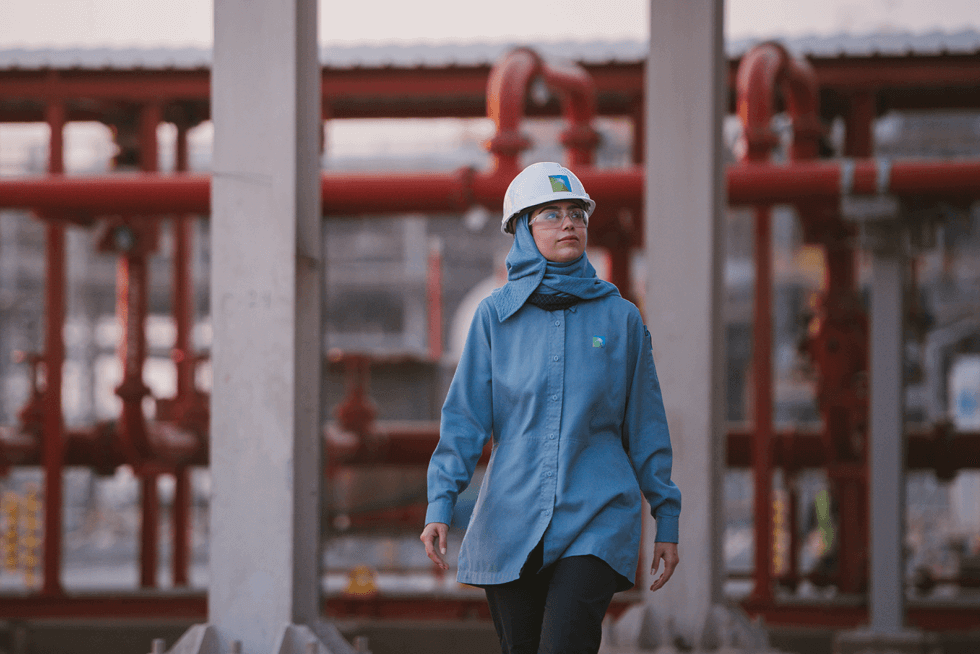
Sharing Technical Expertise for Methane Mitigation: Aramco & Bapco Energies
As OGDC signatories, both Bapco Energies and Aramco are engaged in advancing GHG reductions in light of national and global climate goals and their respective independent business interests. Bapco Energies has expanded its Environmental, Social and Governance (ESG) agenda by joining OGMP 2.0 to report methane emissions and support Bahrain’s Zero Routine Flaring by 2030.
Aramco is one of the three CEO Champions of OGDC and a leading member of OGCI. The company’s upstream methane intensity is one of the lowest among its peers at 0.04%. Aramco continues to pursue its voluntary ambition to achieve net-zero Scope 1 and Scope 2 GHG emissions across wholly-owned operated assets by 2050.
Leveraging the OGDC, the two companies have worked to mitigate methane emissions, with Aramco sharing technical expertise and best practices to inform Bapco Energies’ independent methane mitigation action plan. This peer-to-peer exchange highlights how the Charter empowers signatories to drive progress on GHG emissions reduction efforts in the region.
Aramco shared technical expertise, methodologies and best practices from its own methane reduction initiatives. Bapco Energies gained valuable technical insights to strengthen its existing independent efforts and inform the development of a voluntary methane mitigation action plan.
Quarterly exchanges between technical teams created a platform for continued knowledge enhancement, benchmarking and alignment with international standards.
This initiative illustrates how peer-to-peer exchanges facilitated by OGDC can create practical value for signatories and allow them to immediately adopt best practices that align with their individual ambitions. By connecting technical teams from different companies, signatories can move beyond high-level ambitions and directly implement methods, technologies and operational practices that enable emissions reduction.
Aramco and Bapco Energies’ leadership in fostering exchange and engagement highlights how transparency and practical knowledge-sharing drive results, exemplifying the type of collaboration that OGDC was built to sustain.
These signatories demonstrate how structured dialogues around specific themes, such as methane mitigation, help to ensure greater focus and actionable outcomes, while regular exchanges allow continuity and create a benchmark for progress.

OGCI and OGDC
Common Purpose, Complementary Mandates and Joint Action for Stronger Outcomes
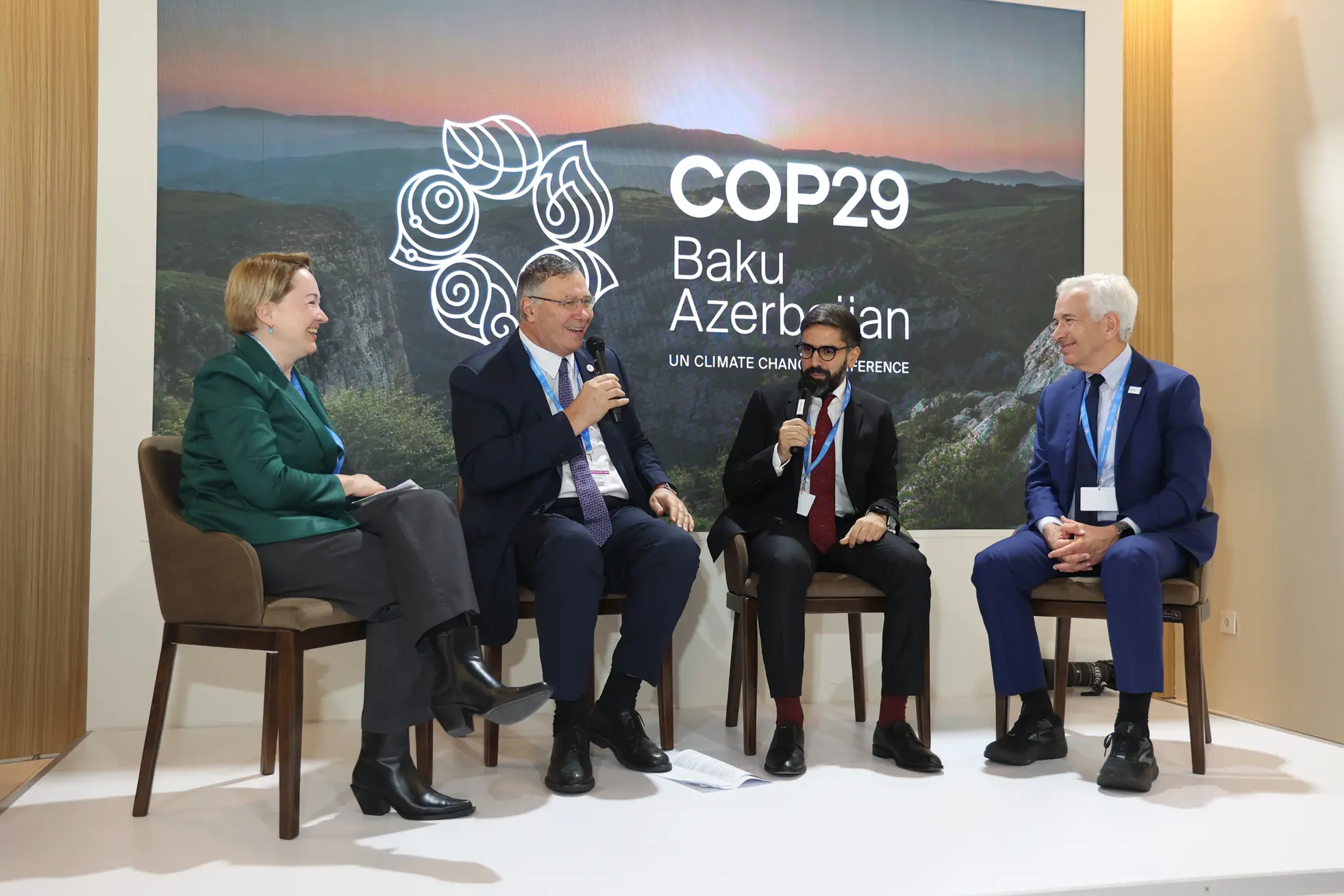
The Oil and Gas Climate Initiative (OGCI) and OGDC form a complementary system where OGCI’s decade of industry experience provides expertise, while OGDC scales these learnings across a broader network. This collaboration disseminates climate leadership from industry pioneers into global, sector-wide action. Specific joint programs include:
- Methane Satellite Monitoring: OGCI provides satellite data to various OGDC signatories as part of OGCI’s Satellite Monitoring Campaign. OGCI member companies also contribute technical support and capacity-building to assist operators in reducing methane emissions following their detection.11
- GHG emissions reporting: OGCI has supported OGDC in developing its GHG emissions reporting framework, including for the data presented in this report. For OGDC, the framework builds upon other internationally recognized standards, like OGMP 2.0, in providing a unified standard for companies reporting emissions in highly differentiated environments.
- Methane Library: OGCI has built a database of best practices and other insights into methane management divided into four categories: fundamentals, strategies, technology and regulations.12 Learnings from the library often inform collaboration between OGCI and OGDC members.
At Repsol, we believe that advancing decarbonization includes the whole industry. Through OGDC, we have worked to connect international and national oil companies, helping to create the partnerships needed to accelerate progress.”
Josu Jon Imaz, CEO, Repsol
11 Oil and Gas Climate Initiative, “OGCI’s Satellite Monitoring Campaign,” 2025.
12 Oil and Gas Climate Initiative, “Methane Library,” 2025.
IMEO welcomes the ambition that OGDC has established across the oil and gas sector to reduce methane emissions, and its ongoing collaboration with IMEO, ministries and companies to deliver on that ambition via capacity-building and credible data-driven tools.”
Giulia Ferrini, Program Officer, United Nations Environment Program
PArtnerships
Fostering Relationships with a Growing Network of Stakeholders
Working closely with 55 of the world’s largest and most influential oil and gas companies around the world, makes OGDC a powerful conduit between the energy sector and NGOs, civil society organizations and multilateral development bodies. OGDC’s exclusive focus on operational decarbonization, methane reduction and transparency in reporting helps stakeholders promote targeted, impactful actions with direct and near-term climate benefits to signatories.
The OGDC collaborates with several actors in the climate landscape to advance decarbonization.
- World Bank collaboration: The Global Flaring and Methane Reduction (GFMR) Partnership is a World Bank trust fund supporting rapid action on methane emissions and flaring. GFMR provides grants and technical assistance to governments and state-owned operators in countries with the least capacity and resources to address the problem. OGDC is working closely with GFMR to ensure OGDC signatories are aware of the World Bank grants and technical support and to facilitate the successful implementation of methane and flaring reduction projects.
- UNEP: IMEO engages the oil and gas sector primarily through OGMP 2.0, its comprehensive framework for methane measurement and reporting. It also engages the industry through the Methane Alert and Response System (MARS) wherever possible.
- EDF: EDF has long championed strong climate action in the upstream oil and gas sector as a fast, high-impact way to cut global emissions. EDF and OGDC regularly exchange updates and collaborate through joint participation in key initiatives.
- Climate Investment: Founded by OGCI members, Climate Investment (CI) is an independent specialist investor focused on accelerating industrial decarbonization. Through its partnership with OGDC, CI will offer access to technologies and companies in the CI fund portfolio via webinars, roundtables, case studies and other formats designed to surface practical insights and deployment-ready solutions. The collaboration aims to support adoption by showcasing real-world applications, lessons learned, and scalable approaches to emissions reduction.
Through Collaborate & Share, OGDC is gradually building a culture of mutual support that accelerates learning and strengthens climate action across the industry. Designed to evolve alongside signatories, the program ensures that each company’s progress quickly informs others, amplifying our collective impact.
It is good to see companies making progress in tracking and reporting emissions within the OGDC framework, which EDF strongly supports. Transparency is absolutely critical to ensuring real progress toward industry’s goal of reaching near-zero methane emissions by 2030.”
Fred Krupp, President of the Environmental Defense Fund