
THE CHALLENGE
To reduce upstream and methane carbon intensities to be among the lowest in the world.
THE SOLUTION
Aramco has implemented multiple measures to attain an upstream carbon intensity of 9.6 kg CO2e / boe in 2023, including best-in-class reservoir management practices, flare minimization, GHG emissions management and the methane LDAR.
These measures are complemented by Aramco’s investments in infrastructure, along with its continuous development and deployment of digital solutions to monitor, manage, and reduce its energy intensity and flaring emissions that sets the company apart from most producers.
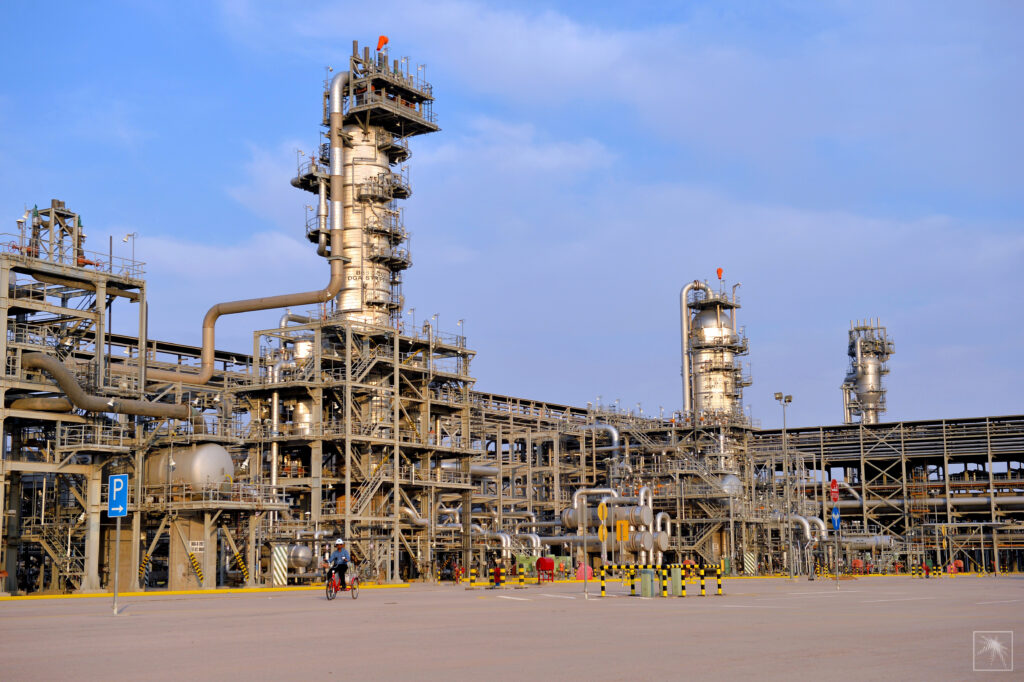
Among the company’s infrastructure projects is its investment in cogeneration facilities which has contributed to significant improvements in energy efficiency.
Aramco installed 17 cogeneration facilities for high-efficiency energy generation. The Cogen project achieved a total high-efficiency power output of 5.3 Gigawatt (GW) and exported surplus power to the national grid. This resulted in an annual reduction of 7 million tons of CO2 and as a result, lowered energy intensity by 23% between 2011 and 2022.
RELATED CASE STUDIES
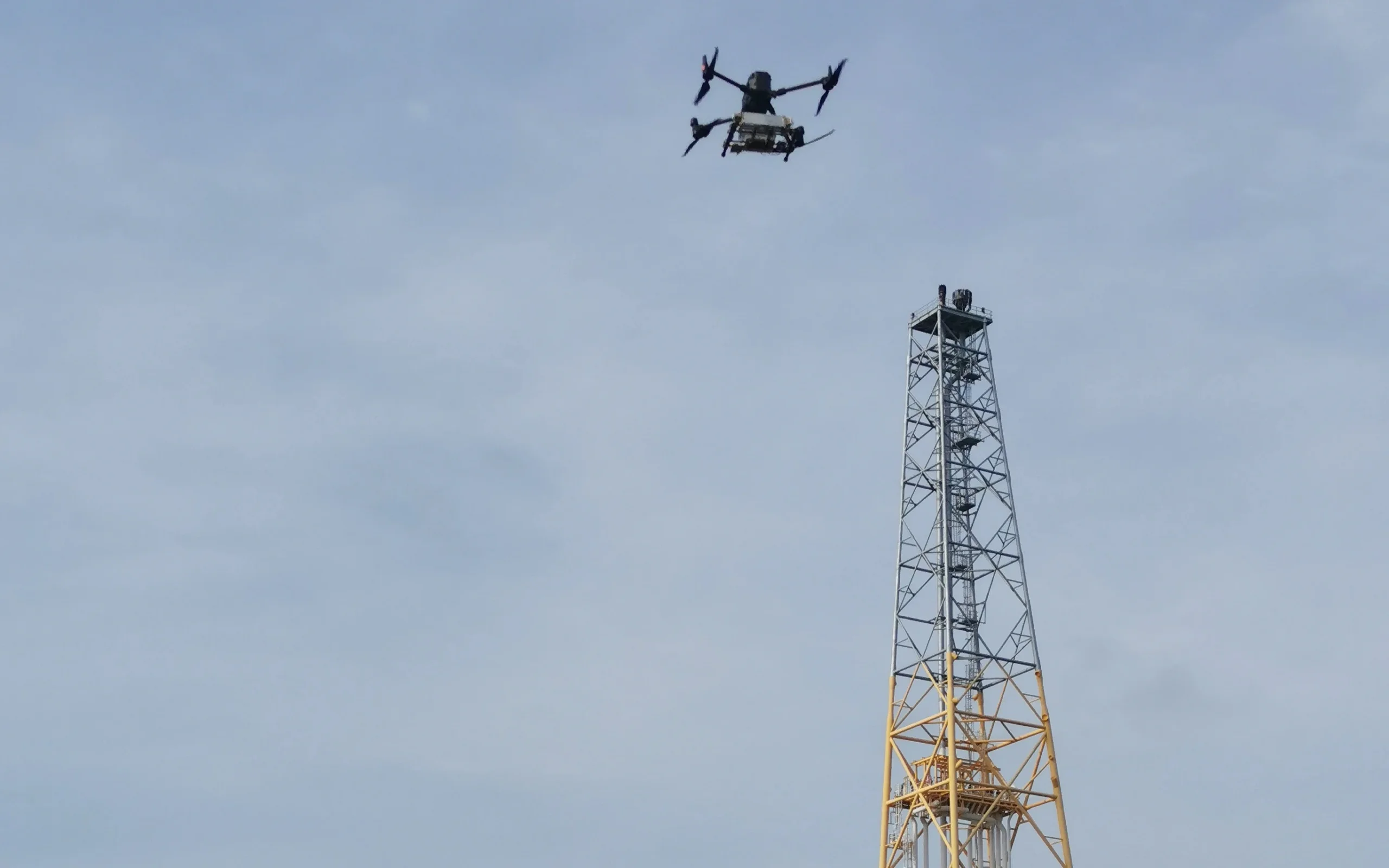
TotalEnergies technology-sharing with Oil India Limited
At TotalEnergies, we firmly believe that technology sharing is a powerful lever for transforming the oil and gas industry and achieving near-zero methane emissions by 2030.
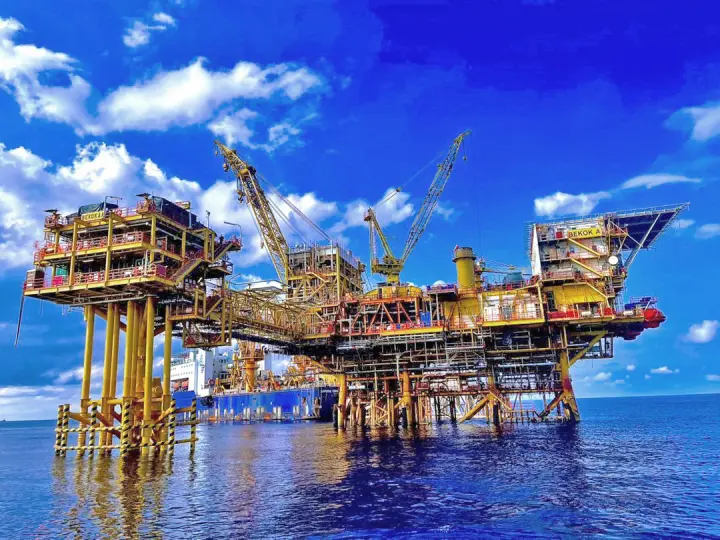
PETRONAS Achieves 100% Zero Routine Venting in Malaysia
PETRONAS’ zero routine hydrocarbon venting efforts in Malaysia contributes towards its commitments to the Oil and Gas Decarbonization Charter (OGDC), which includes the goal of achieving near-zero methane emissions by 2030.