What is OGDC?
Meeting growing energy demand, while reducing emissions and developing low-carbon solutions and technologies for the future, is one of the defining challenges of our time. Launched at COP28 in 2023 and implemented by the Oil and Gas Climate Initiative (OGCI) as its Secretariat, OGDC is multilateral initiative bringing together companies from across the world with the aim to accelerate emissions reductions in the oil and gas sector.
As a global industry-led effort, OGDC supports 55+ signatory companies on their individual decarbonization journeys by facilitating collaboration, knowledge sharing, capacity building, and transparent GHG emissions reporting.
Aims of the charter
What signatory companies aim to achieve
When joining the Charter, signatories work toward the following aims:
01 Net-zero operations
01
Net-zero operations by or before 2050
bp, 2022
02 Near-zero methane
02
Near-zero upstream methane emissions by 2030
Implement actions to achieve near-zero methane on upstream operations under signatories’ control.
bp, 2022
03 Zero routine flaring
03
Zero routine flaring by 2030
Implement actions to eliminate routine flaring across operations under signatories’ control.
04 Continuous improvement
04
Continuous improvement and interim ambitions
Set and publish 2030 targets for Scope 1 and 2 emissions; update again in 2028 to demonstrate continuous progress.
05 Accelerated decarbonization
05
Accelerated decarbonization
Increase alignment with broader industry best practice and invest in energy systems of the future, including electrification of upstream operations, deployment of CCUS and use of low-carbon hydrogen.
06 National policies
06
National policies to accelerate net-zero delivery
Recognizing that industry decarbonization will require government policies that support efforts, seek to cooperate with governments.
07 Partnership
07
Partner with other sectors
Drive holistic decarbonization through partnership with key enabling sectors.
08 Reduce GHG emissions
08
Engage to reduce GHG emissions
Engage with customers, policymakers, and other energy-intensive industries to reduce GHG emissions.
Repsol, 2025
09 Security and affordability
09
Energy security and affordability
Remain focused on providing secure and affordable energy.
Eni, 2025
10 Measure and report
10
Measure and report progress
Measure, monitor, publicly report and independently verify GHG emissions and signatory progress against Charter aims.
bp, 2023
11 Best practice
11
Evolving best practices
Work with the sector and other partners to further best practices and transition pathways.
12 Collaboration
12
Sector collaboration and best practices
Advocate, influence, and share oil and gas decarbonization best practices and insights related to ambition setting and transition planning.
Joining the OGDC is one of the simplest ways for companies to align with industry-standard targets and to accelerate peer-to-peer learning.
Pledges to Progress Report, 2025 - Environmental Defense Fund (EDF) | United Nations Environment Programme (UNEP) | International Energy Agency (IEA)

Understanding OGDC’s unique approach
OGDC provides a global platform for action, accountability and peer learning.
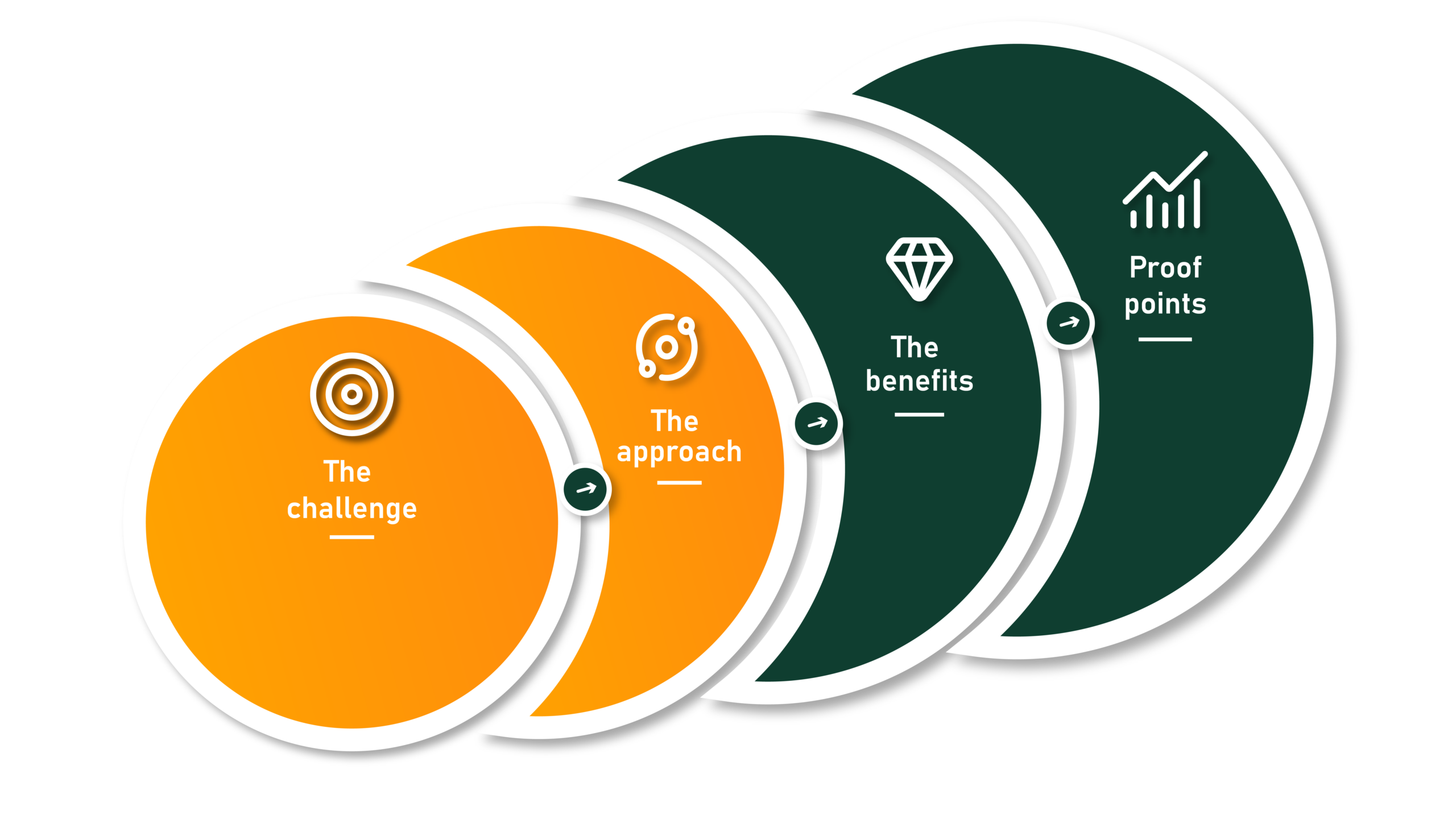
The challenge
Around 5 Gt CO2e, representating ~10% of global greenhouse gas emissions, arise from oil and gas operations (International Energy Agency, 2023). Methane, an invisible and odorless gas, accounts for a significant portion of those emissions and has been identified by the IEA as one of the fastest and lowest-cost opportunities to reduce greenhouse gas emissions globally (IEA, 2025).
The oil and gas industry supports the aims of the Paris Agreement and recognizes the need to accelerate actions towards a net-zero greenhouse gas emissions future (Oil and Gas Decarbonization Charter, 2023).
Repsol, 2025
Our approach
OGDC takes a pragmatic, inclusive, and collaborative approach. As the Charter acknowledges that companies have different starting points, stakeholders, and operating environments, OGDC leverages a range of resources and networks to accommodate such variety.
Around two-thirds of OGDC signatories are national oil companies (NOCs). NOCs account for more than half of global production and ~60% of the world’s oil and gas reserves (International Energy Agency, 2024), making their actions critical to achieving global climate goals.
OGDC CEO Gathering, 2025
The benefits
When joining the Charter, companies gain access to:
- Tailored support designed around companies specific needs and operating context
- A network of key sector and non-sector stakeholders, bringing together CEOs, technical experts, and consultants to support decarbonization efforts
- Resources and tools through the Collaborate & Share program, including a library of resources, 1-1 training, interactive webinars, and peer-to-peer learning opportunities with other signatory companies
- A reporting framework to measure, monitor and report emissions consistently.
TotalEnergies, 2023
In action
Since its launch, OGDC has grown to include 55+ signatories operating in more than 100 countries and has established a program focused on emissions reporting, collaboration and knowledge sharing.
The UNEP, EDF, and IEA recognize OGDC as “one of the simplest ways for companies to align with industry-standard targets and to accelerate peer-to-peer learning” (Pledges to Progress, 2025).
ADIPEC, 2025
Our progress to date:
Since COP28, OGDC has established itself as a multilateral platform designed to support action, convene industry leaders, and share knowledge across industry.
2024
Baselining Report published – industry first
2024
Collaborate & Share program launched
2025
First OGDC CEO Gathering at ADIPEC
2025
First peer-to-peer program launched
2025
Signatories adopt OGCI's Reporting Framework
2025
2,000 staff trained through Collaborate & Share
OGDC 2025 Status Report
2025
Second OGDC CEO Gathering at ADIPEC
2025
Status Report published an aggregated overview of companies’ operated Scope 1 and 2 emissions
2025
OGDC and OGCI launch Energy Day at COP30
2026
MoU with the International Energy Forum (IEF)
Frequently Asked Questions
Who can join the Charter?
The Charter supports oil and gas companies who agree to the ambitions, mission and principles set out in the Charter. Companies interested in learning more about OGDC can reach out to contact@ogdc.org.
What is the Charter's mission?
The Charter aims to motivate oil and gas companies worldwide in their operational emissions-reduction efforts. Endorsed by 55+ signatories representing around 40% of global oil production, OGDC is a platform for knowledge sharing, capacity building, and transparent reporting focused on operational emissions reduction.
How is this Charter complementary to existing decarbonization initiatives?
The Charter is intended to complement existing decarbonization efforts, providing a platform for knowledge sharing and collaboration among peers and industry partners.
The Secretariat collaborates with several actors in the climate landscape including the World Bank, the United Nations Environment Programme (UNEP), the Environmental Defense Fund (EDF), and Climate Investment (CI).
What is the Oil and Gas Decarbonization Charter?
Meeting growing energy demand, while reducing emissions and developing low-carbon solutions and technologies for the future, is one of the defining challenges of our time.
The Oil and Gas Decarbonization Charter (OGDC) was launched at COP28 by Dr. Sultan Al Jaber (Managing Director and Group CEO of ADNOC) as a collective response to this challenge. OGDC is a voluntary global industry effort dedicated to accelerating climate action across the oil and gas sector.
As a global platform for action, collaboration, and transparency, OGDCsupports 50+ signatory companies on their individual decarbonization journeys by facilitating industry-wide collaboration, knowledge sharing, capacity building, and GHG emissions reporting.
What do signatory companies aim through the Charter?
Net-zero Scope 1 & 2 emissions by 2050
Near-Zero upstream methane emissions by 2030
Zero Routine Flaring by 2030
Continuous improvement and interim ambitions
Implementing best practices
Report progress via internationally recognized frameworks
Contribute to the energy transition
Partner with other sectors and customers
Interested in joining?
Explore support for operational emissions reduction
Learn about how the Charter can support your decarbonization goals.