
THE CHALLENGE
Abating methane emissions in Shell’s upstream business.
THE SOLUTION
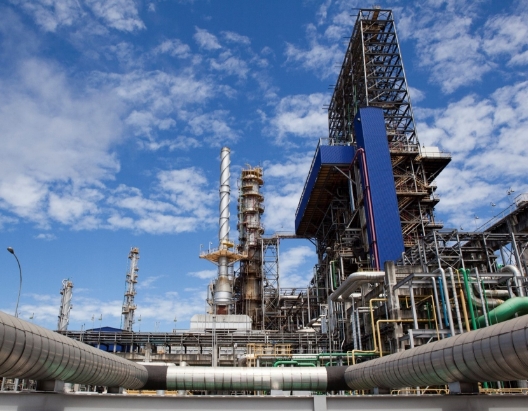
Shell has a range of technologies and work practices in place to help find and fix methane emission sources in their operations.
Examples of advanced technologies include drones and satellite monitoring to enhance monitoring of methane emissions. At its QGC Upstream gas business in Australia, improved reporting and subsequent measures taken, has reduced reported methane emissions by around 70% since 2017.
By the end of 2023, more than 80% of fugitive emission sources at Shell-operated oil, gas and liquefied natural gas production facilities used leak detection and repair (LDAR) programs to tackle leaks and monitor equipment.
EXPANDING IMPACT
Transparency and accuracy of methane emissions reporting: Shell was awarded Oil and Gas Methane Partnership 2.0 Gold Standard in 2023 for the third consecutive reporting year – meaning 95% of Shell-operated ventures methane emissions are on a credible path to report at levels 4 and 5 by end 2023 and reasonable endeavors are demonstrated to achieve the same in non-operated ventures by end 20254.
Levels 4 and 5 of the Oil and Gas Methane Partnership 2.0 (OGMP 2.0) are related to source-level and site-level emissions reporting respectively.
RELATED CASE STUDIES
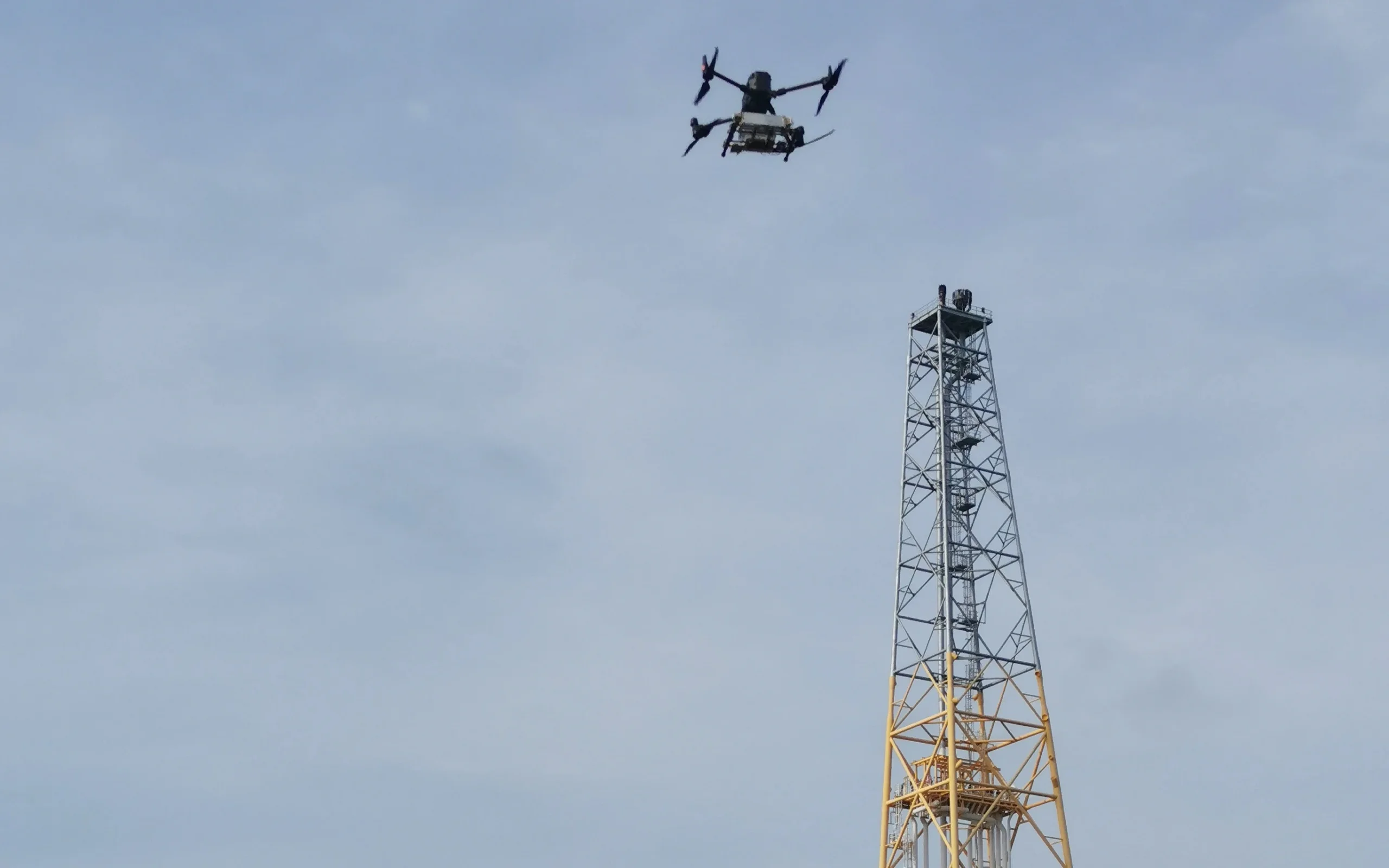
TotalEnergies technology-sharing with Oil India Limited
At TotalEnergies, we firmly believe that technology sharing is a powerful lever for transforming the oil and gas industry and achieving near-zero methane emissions by 2030.
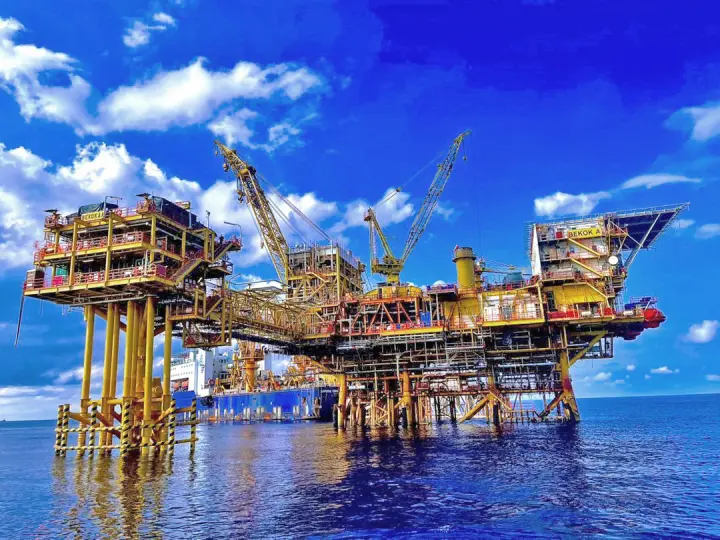
PETRONAS Achieves 100% Zero Routine Venting in Malaysia
PETRONAS’ zero routine hydrocarbon venting efforts in Malaysia contributes towards its commitments to the Oil and Gas Decarbonization Charter (OGDC), which includes the goal of achieving near-zero methane emissions by 2030.